


How to Choose the Best Outdoor Fireplace for Your Space
How to Choose the Right Outdoor Fireplace
Choosing the right outdoor fireplace starts with four decisions: where it will be installed, which fuel type fits the space, what installation requirements apply, and which design best complements the outdoor area. Wood-burning fireplaces deliver a traditional fire experience, while natural gas and propane models emphasize convenient operation and flame control. The right choice also depends on required clearances, available utilities, maintenance expectations, and the fireplace manufacturer's installation requirements.
This guide explains how to compare outdoor fireplace types, fuel options, materials, styles, installation methods, safety considerations, accessories, and maintenance needs so you can make a more informed decision for your patio, backyard, or outdoor entertainment area.
Key Takeaways
How to Choose the Right Outdoor Fireplace
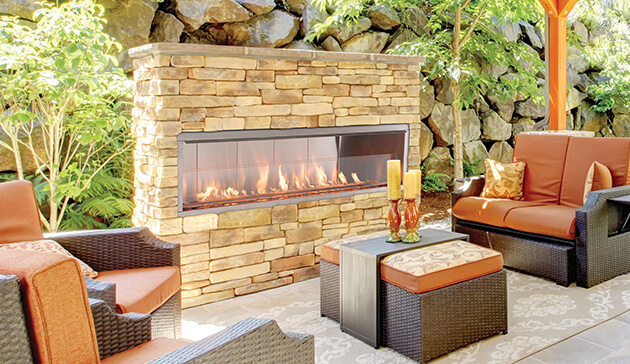
The best outdoor fireplace is not simply the largest or most visually impressive model. It is the fireplace that fits the intended location, available fuel source, installation conditions, maintenance preferences, and overall design of the outdoor living space.
Start With the Available Space
Determine where the fireplace will be positioned before choosing a model. Consider the fireplace dimensions, surrounding seating, pathways, walls, overhead structures, nearby combustible materials, and the clearances required by the specific fireplace.
A compact patio may benefit from a fireplace with a smaller footprint, while a large entertainment area can accommodate a wider fireplace or an architectural installation designed to become the focal point of the space.
Choose a Fuel Type
Fuel type affects the appearance of the fire, installation requirements, operation, maintenance, and overall ownership experience. Common options include wood-burning fireplaces and gas fireplaces fueled by natural gas or propane. Electric models may also be appropriate in some installations when the appliance is specifically approved for the intended outdoor environment.
If convenient operation is a priority, explore outdoor gas fireplaces. If the sound, aroma, and ritual of a traditional fire are more important, a wood-burning fireplace may be the better fit.
Review Installation Requirements Before Buying
Before selecting a fireplace, review its installation manual and determine what the project requires. Depending on the model, installation can involve gas service, electrical connections, a chimney or venting system, framing, noncombustible construction, structural support, drainage considerations, and required clearances.
Installation requirements should be evaluated before finalizing the fireplace design rather than after the product has already been selected.
Choose a Style That Fits the Outdoor Space
Outdoor fireplaces can range from traditional hearth-inspired designs to wide contemporary fireplaces with clean architectural lines. The best style depends on the surrounding patio, landscaping, exterior architecture, furniture, and the atmosphere you want to create.
Plan for Maintenance
Maintenance requirements differ by fuel type and fireplace construction. Wood-burning fireplaces generally require ash and firebox maintenance and may require chimney or flue inspection. Gas fireplaces eliminate ash from normal operation but still require inspection and maintenance of burners, ignition components, media, openings, and weather-exposed materials according to the manufacturer's instructions.
Outdoor Fireplace Fuel Types Compared
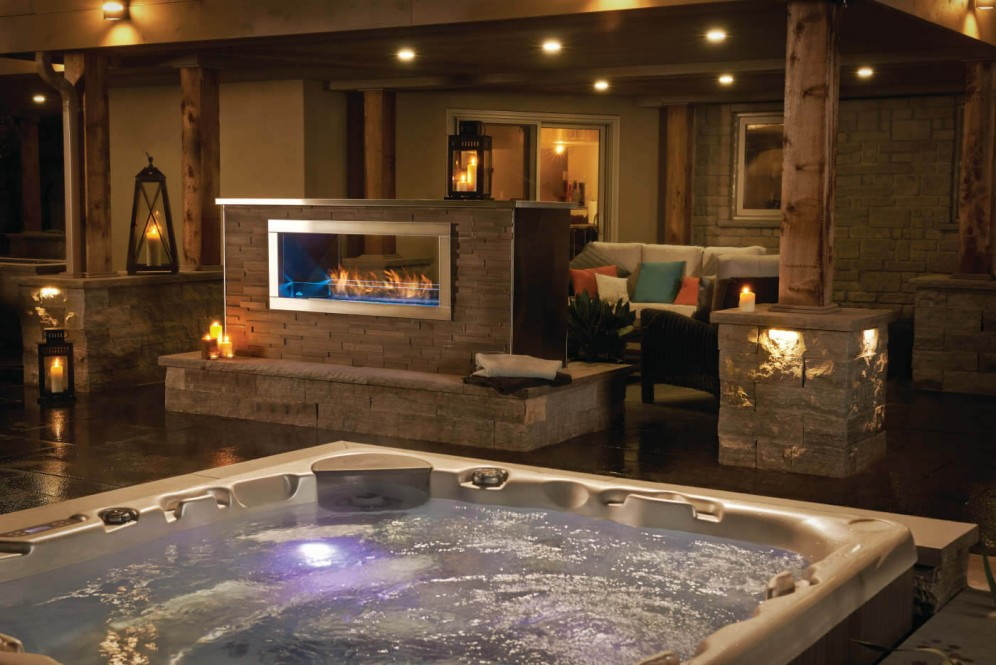
Fuel type is one of the most important decisions when choosing an outdoor fireplace because it affects how the fireplace operates, how it is installed, and how much ongoing maintenance it requires.
| Fuel Type | Best For | Main Advantage | Important Consideration |
|---|---|---|---|
| Wood | Traditional fire experience | Natural flame, sound, and wood-burning atmosphere | Requires firewood management, ash cleanup, and the appropriate chimney or venting configuration |
| Natural Gas | Permanent outdoor installations | Convenient fuel supply and controlled operation | Requires a compatible gas supply and proper installation |
| Propane | Gas installations without natural gas service | Provides a gas-fire option where natural gas is unavailable | The fireplace must be approved for propane and installed with the correct fuel components |
| Electric | Suitable locations where combustion is not desired | No wood, gas line, or combustion exhaust | Only use a model approved for the specific outdoor or weather-exposed installation |
Wood-Burning Outdoor Fireplaces
A wood-burning outdoor fireplace is best suited to homeowners who prioritize a traditional fire experience and are prepared for firewood storage, ash removal, and the installation and maintenance requirements associated with wood combustion.
Wood-burning models can work especially well in traditional, rustic, lodge-inspired, or masonry-focused outdoor environments.
Natural Gas Outdoor Fireplaces
A natural gas outdoor fireplace is a strong choice for a permanent outdoor living area where convenient operation is a priority and a compatible gas supply is available. These fireplaces avoid the need to store firewood and remove ash after normal use.
Gas supply sizing, connections, appliance configuration, clearances, and installation requirements still need to be addressed before installation.
Propane Outdoor Fireplaces
Propane provides another gas-fueled option when natural gas service is unavailable or impractical. The selected fireplace must be specifically compatible with propane, and the fuel supply must be installed and located according to applicable product requirements.
Electric Outdoor Fireplaces
Electric fireplaces do not burn wood or gas, but outdoor suitability should never be assumed. Only choose an electric fireplace that is specifically approved for the intended outdoor, covered, or weather-exposed environment.
Designing an Outdoor Fireplace Around Your Space
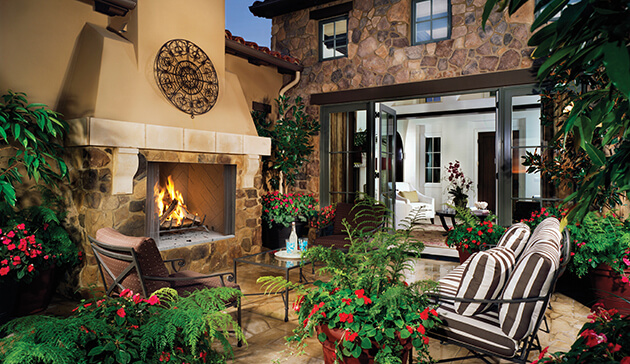
Once the fuel type and installation requirements are understood, the fireplace can be designed around the outdoor space. Think about how people will move through the area, where seating will be positioned, whether the fireplace will divide or connect outdoor zones, and how the fireplace will relate to the home's exterior architecture.
A traditional fireplace can create a substantial architectural focal point, while a linear or contemporary fireplace can integrate into a modern outdoor wall or entertainment area. The fireplace should be planned as part of the overall space rather than treated as an isolated decorative feature.
Choosing Outdoor Fireplace Materials and Finishes
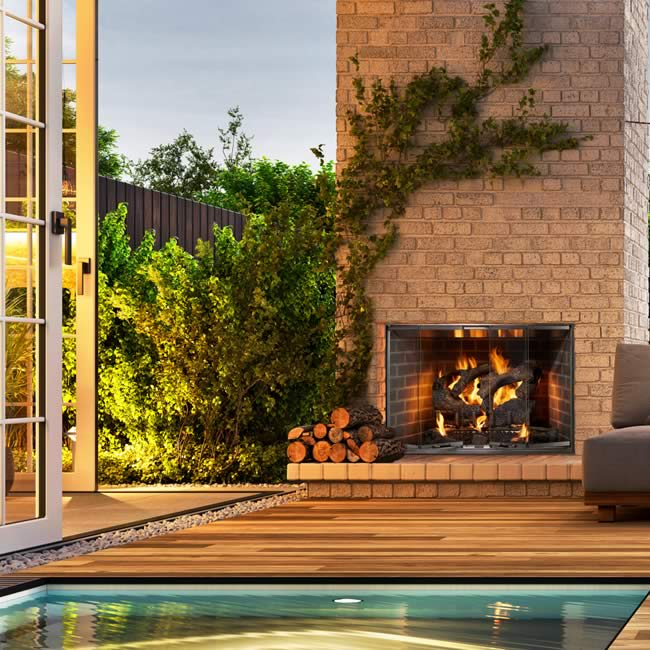
Stone, brick, and metal are commonly associated with outdoor fireplace designs, but they do not always describe the internal construction of the fireplace itself. Depending on the system, stone or brick may function as masonry construction, a surround, or a decorative veneer around a manufactured fireplace.
Choose materials based on the fireplace system, installation requirements, weather exposure, architectural style, maintenance expectations, and the approved finishing methods for the selected appliance.

Stone for a Traditional or Rustic Fireplace Design
Stone can create a substantial, natural appearance that works especially well with traditional, rustic, lodge-inspired, and transitional outdoor spaces. The final cost and installation complexity depend on the stone or veneer selected, fireplace structure, labor requirements, and surrounding construction.
Brick for a Classic Outdoor Fireplace
Brick provides a familiar masonry appearance and can complement traditional homes, patios, and outdoor kitchens. As with stone, installation cost and complexity depend on whether the brick is structural, decorative, or part of a larger fireplace enclosure.


Metal for Contemporary Outdoor Fireplace Designs
Metal-framed and manufactured fireplace systems are frequently used in contemporary outdoor designs because they can support clean lines, wide viewing areas, and streamlined architectural installations. The surrounding finish still needs to comply with the fireplace manufacturer's requirements.
Traditional vs. Modern Outdoor Fireplaces
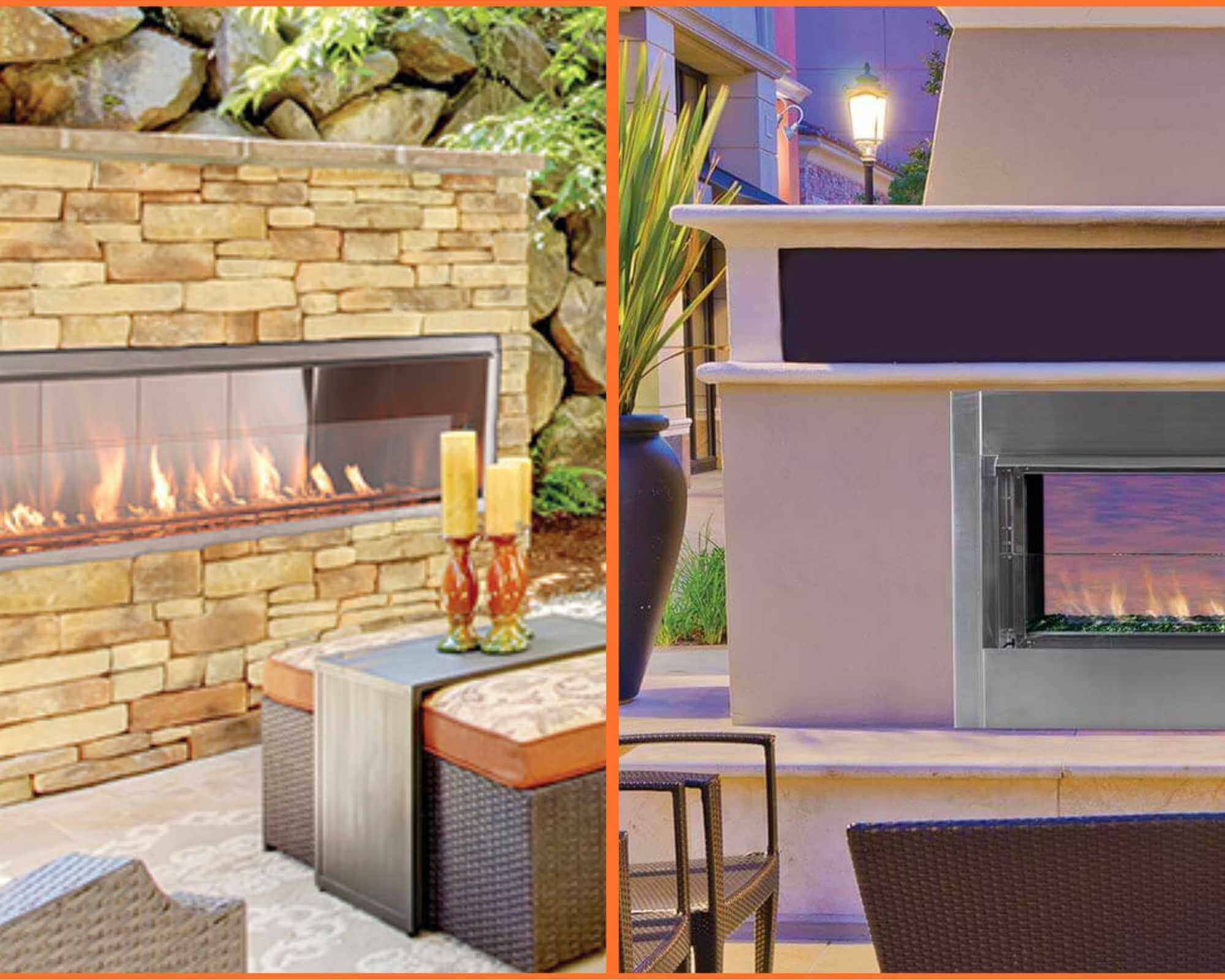
Traditional and modern outdoor fireplaces can both serve as strong focal points, but they create different visual effects. Choose between them based on the architecture of the home, surrounding materials, available wall space, and the type of atmosphere you want the fireplace to create.
| Consideration | Traditional Outdoor Fireplace | Modern Outdoor Fireplace |
|---|---|---|
| Overall Look | Classic, hearth-inspired, substantial | Clean, streamlined, architectural |
| Common Finishes | Stone, brick, masonry-inspired materials | Metal, tile, concrete-look and minimalist finishes |
| Fire Presentation | Traditional firebox appearance | Often wider or more linear presentation |
| Best Fit | Traditional, rustic and transitional outdoor spaces | Contemporary and minimalist outdoor living areas |
| Primary Design Goal | Create a familiar architectural hearth | Integrate flame into a modern outdoor feature wall or entertainment area |
Using a See-Through Outdoor Fireplace to Connect Two Spaces
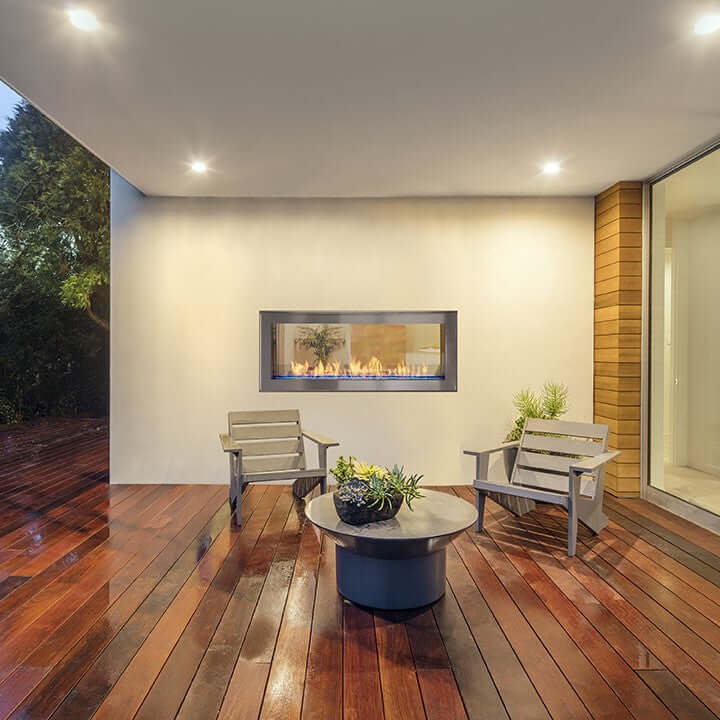
A see-through outdoor fireplace provides flame visibility from two sides, making it useful when one fireplace is intended to visually connect adjacent outdoor areas.
For example, a see-through configuration can be incorporated between a lounge area and dining area, between two sections of a patio, or within an architectural wall designed to serve multiple outdoor zones.
Outdoor Fireplace Safety and Placement
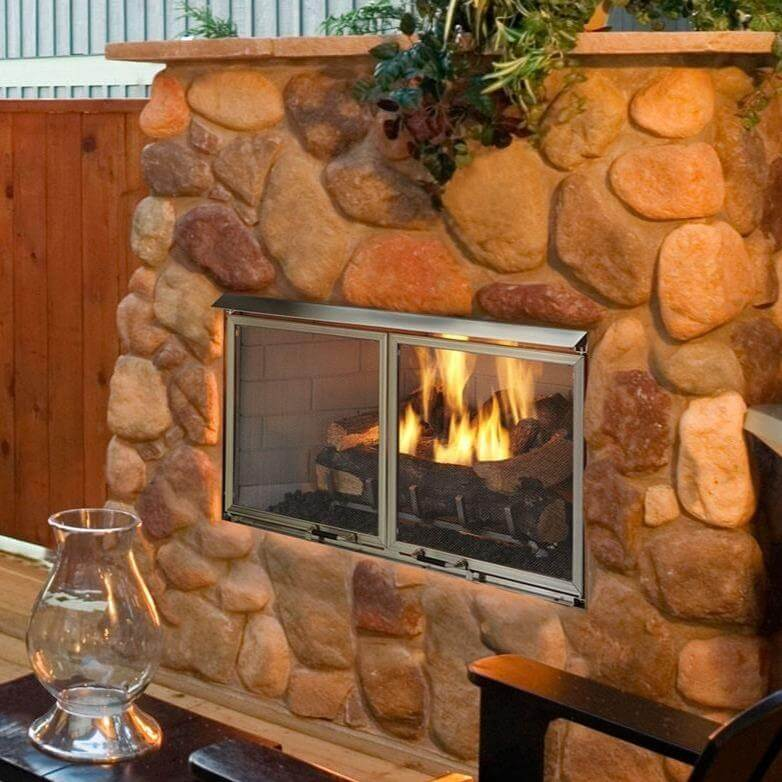
Outdoor fireplace safety begins with selecting a product that is approved for the intended installation and following its required clearances, fuel, venting, framing, and finishing instructions.
Check Clearances Before Finalizing the Location
Required clearances should be reviewed before construction begins. Pay particular attention to nearby walls, ceilings, roofs, pergolas, furniture, fencing, landscaping, and other combustible materials.
Use the Fireplace Only in Approved Locations
An appliance marketed as an outdoor fireplace is not automatically approved for every outdoor configuration. Covered patios, screened areas, partially enclosed rooms, and structures with overhead ceilings can have different requirements from open-air installations.
Follow Model-Specific Venting or Chimney Requirements
Do not apply a simplified chimney rule to every fireplace. Wood-burning and vented systems must use the chimney or venting configuration specified for the appliance and installation.
Keep the Fireplace and Surrounding Area Maintained
Inspect the fireplace for visible damage, corrosion, deteriorated finishes, blocked openings, damaged components, or other conditions that could interfere with safe operation. Follow the inspection and maintenance procedures provided for the specific fireplace.
DIY vs. Professional Outdoor Fireplace Installation

The decision between DIY and professional installation should be based on the fireplace system and the work required—not simply on potential labor savings.
DIY Installation May Be Appropriate When
- The product is specifically designed for homeowner assembly or installation.
- The manufacturer's instructions clearly support the intended installation method.
- The project does not require specialized gas, electrical, chimney, structural, or other regulated work beyond the installer's qualifications.
- All required clearances and approved materials can be followed exactly.
Professional Installation Is Especially Important When
- A new natural gas or propane connection is required.
- Electrical work is part of the installation.
- A chimney or venting system must be installed.
- Structural framing, masonry, or major modifications are required.
- The installation involves covered or partially enclosed outdoor construction.
- Permits, inspections, or qualified trades are required for the project.
Enhancing an Outdoor Fireplace With Accessories
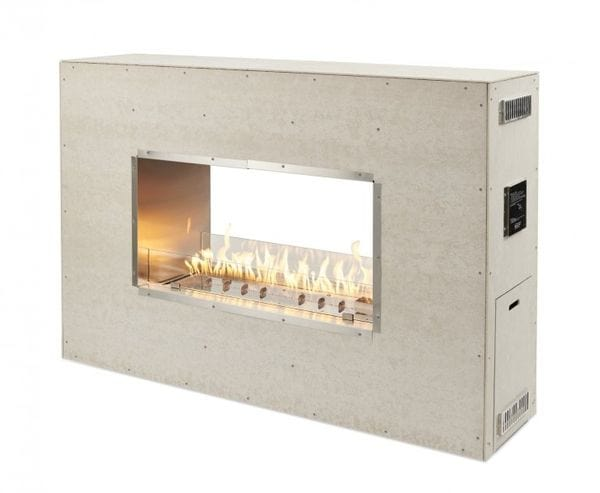
Accessories can improve the appearance, operation, or usability of an outdoor fireplace, but compatibility should be confirmed before adding them. Fire screens, grates, media, surrounds, trim, and decorative components should be selected according to the fireplace type and manufacturer requirements.
How to Maintain and Care for an Outdoor Fireplace
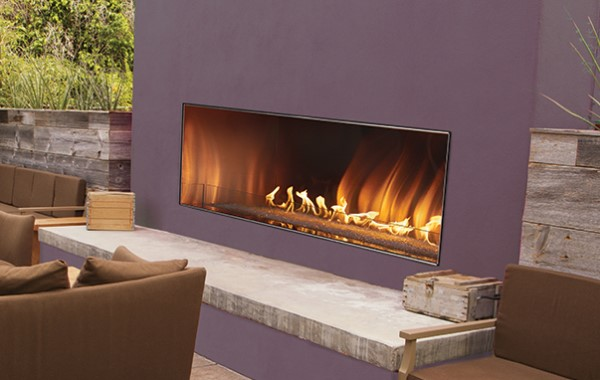
Outdoor fireplace maintenance depends on the fuel type, fireplace construction, weather exposure, and the manufacturer's maintenance requirements. A universal cleaning method should not be used across every fireplace material or component.
Wood-Burning Fireplace Maintenance
Remove ash and debris as appropriate, inspect the firebox and visible components for deterioration, and maintain the chimney or flue system according to the fireplace and chimney manufacturer's instructions. Excessive buildup, damaged components, or deteriorated masonry should be addressed before continued use.
Gas Fireplace Maintenance
Keep burners, air openings, ignition areas, and approved media free from debris or improper placement. If ignition, flame appearance, controls, or other gas components are not operating normally, discontinue use and have the system inspected according to the product requirements.
Exterior and Weather Protection
Inspect exposed metal, masonry, finishes, trim, and surrounding construction for corrosion, cracks, water-related deterioration, or other weather damage. Use covers only when they are appropriate for the specific product and installation.
Permanent built-in outdoor fireplaces cannot simply be moved into storage during the off-season. Instead, protect and maintain them according to the requirements of the installed system and surrounding outdoor construction.
Outdoor Fireplace Planning Checklist
Before purchasing an outdoor fireplace, confirm the following:
Which Outdoor Fireplace Is Right for You?
Choose Wood-Burning
Choose a wood-burning outdoor fireplace when a traditional fire experience is the priority and the installation site can accommodate its chimney, clearance, firewood, and maintenance requirements.
Choose Natural Gas
Choose a natural gas outdoor fireplace when convenient operation is important and the installation has access to a properly sized and installed natural gas supply.
Choose Propane
Choose a propane outdoor fireplace when you want a gas-fire experience but natural gas is unavailable, provided the selected fireplace is specifically configured or approved for propane.
Consider See-Through
Consider a see-through outdoor fireplace when you want flame visibility from two sides or want one fireplace to visually connect adjacent outdoor spaces.
Choose Traditional
Choose a traditional design when the fireplace should resemble an architectural hearth and complement stone, brick, rustic, or transitional surroundings.
Choose Modern
Choose a modern design when clean lines, a contemporary focal point, or a wider flame presentation better fits the outdoor environment.
Can you install an outdoor fireplace on a patio?
Yes, when the fireplace is approved for the intended outdoor installation and the patio can meet its required clearances, fuel, venting, structural, and installation requirements. Do not assume every outdoor fireplace is approved for every patio configuration.
Is a gas or wood-burning outdoor fireplace better?
Choose gas when convenient operation and reduced ash cleanup are priorities; choose wood when the traditional wood-burning fire experience matters more. The better option also depends on fuel availability and installation requirements.
How far should an outdoor fireplace be from a house?
There is no universal distance that applies to every outdoor fireplace. Use the clearances specified for the exact fireplace, installation configuration, combustible materials, and applicable requirements.
Can an outdoor fireplace be installed under a covered patio?
Only install a fireplace under a covered patio when the specific model is approved for that configuration and all overhead, ventilation, venting, and clearance requirements can be met. Do not treat an open-air outdoor rating as automatic approval for a covered installation.
Do outdoor gas fireplaces need venting?
Venting requirements depend on the specific gas fireplace design and approved installation. Do not assume that every outdoor gas fireplace is vent-free or that every model can be installed without required ventilation or venting provisions.
Should an outdoor fireplace be professionally installed?
Use qualified professional installation when the project involves gas connections, electrical work, chimney or venting systems, structural modifications, or other work requiring specialized expertise. A simpler installation should still follow the manufacturer's instructions exactly.
Plan Your Outdoor Fireplace With Confidence
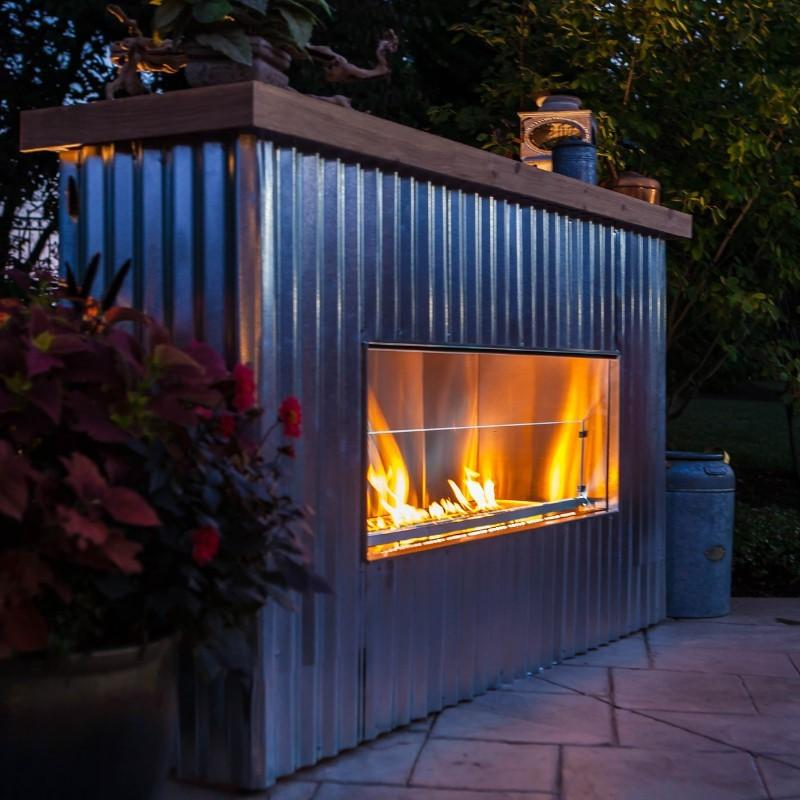
The right outdoor fireplace is one that matches the available space, fuel source, installation environment, maintenance expectations, and design of the outdoor living area. Start with installation requirements and fuel availability, then narrow the options by fireplace style, size, materials, and desired fire experience.

Meet the Flame Authority Experts
Flame Authority helps homeowners, designers, contractors, and outdoor-living professionals compare outdoor fireplace types, fuel options, installation considerations, and fireplace configurations. If you need help narrowing your options, call +1-800-923-4556 or email support@flameauthority.com.